“Game of Thrones” captured the hearts of millions with its intricate plots and unforgettable characters. As fans eagerly delved into the world of Westeros, they often found themselves asking one burning question: how many seasons does this epic saga span?
With a total of eight seasons, the series took viewers on a thrilling journey filled with political intrigue, unexpected twists, and breathtaking battles. From the rise of the Stark family to the fall of the Iron Throne, each season contributed to the show’s monumental legacy. Whether you’re a newcomer or a longtime fan, understanding the season breakdown is essential for fully appreciating this cultural phenomenon.
Overview of Game of Thrones
“Game of Thrones” is an acclaimed fantasy television series based on George R.R. Martin’s “A Song of Ice and Fire” book series. The show aired from April 17, 2011, to May 19, 2019, comprising eight seasons with a total of 73 episodes.
The narrative explores the power struggles among noble families in the fictional continents of Westeros and Essos. Each season builds upon the previously established characters, political alliances, and conflicts, captivating audiences with its complexity and depth.
The breakdown of seasons is as follows:
| Season | Episodes | Air Dates |
|---|---|---|
| 1 | 10 | April 17 – June 19, 2011 |
| 2 | 10 | April 1 – June 3, 2012 |
| 3 | 10 | March 31 – June 9, 2013 |
| 4 | 10 | April 6 – June 15, 2014 |
| 5 | 10 | April 12 – June 14, 2015 |
| 6 | 10 | April 24 – June 26, 2016 |
| 7 | 7 | July 16 – August 27, 2017 |
| 8 | 6 | April 14 – May 19, 2019 |
Each season features significant developments in the story’s trajectory, leading to shocking twists and resolute conclusions. The expanded universe of “Game of Thrones” includes prequels and spin-offs, further emphasizing its cultural significance and lasting legacy. Understanding each season enhances the viewer’s grasp of the intricate themes and character arcs throughout the series.
Breakdown of Seasons
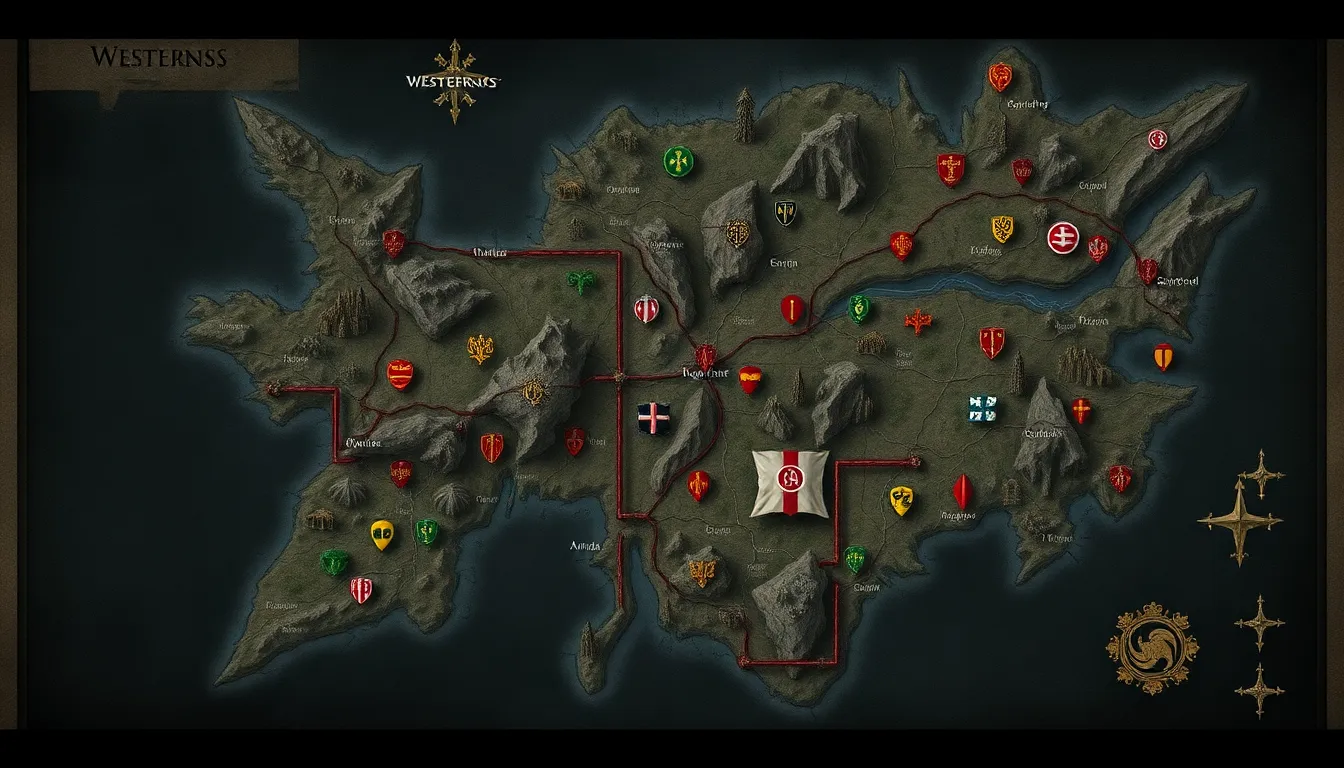
“Game of Thrones” consists of eight seasons, each with distinct themes and key events that contribute to the overarching narrative. The breakdown below details the important features of each season, including the number of episodes and significant plot developments.
Season 1: A New Beginning
Season 1 introduces viewers to Westeros, establishing primary characters and political factions. It consists of 10 episodes, with air dates from April 17, 2011, to June 19, 2011. Key events include the introduction of House Stark and House Lannister, culminating in the shocking execution of Ned Stark.
Season 2: Rising Tensions
Season 2 features 10 episodes, airing from April 1, 2012, to April 29, 2012. The focus shifts to the War of the Five Kings, highlighting the struggles for power among various houses. Significant events include the Battle of Blackwater, which showcases the fierce rivalry between Stannis Baratheon and the Lannisters.
Season 3: The War of the Five Kings
Season 3 continues the intense conflicts, comprised of 10 episodes aired from March 31, 2013, to June 2, 2013. Major plot points include the infamous Red Wedding, where key characters are brutally murdered, dramatically altering the power dynamics within the realm.
Season 4: The Climb
Season 4, consisting of 10 episodes aired from April 6, 2014, to June 15, 2014, showcases the aftermath of the Red Wedding and escalating tensions. Notable moments include the trial of Tyrion Lannister and the shocking death of Joffrey Baratheon, intensifying the ongoing struggle for power.
Season 5: The Fall
Season 5 comprises 10 episodes, airing from April 12, 2015, to June 14, 2015. This season emphasizes the consequences of previous actions, including the rise of the Sparrows and the challenges faced by Daenerys Targaryen in Meereen. The season features critical character development and heartbreaking losses.
Season 6: The Battle for the Seven Kingdoms
Season 6 consists of 10 episodes, aired from April 24, 2016, to June 26, 2016. This season highlights significant battles and reunions, including Jon Snow’s resurrection and the reclaiming of Winterfell from Ramsay Bolton. Key themes include vengeance and alliances formed in pursuit of the Iron Throne.
Season 7: Tensions Peak
Season 7 features 7 episodes, airing from July 16, 2017, to August 27, 2017. The stakes rise as critical alliances are forged, particularly between Daenerys and Jon Snow. Major developments include the Night King’s threat and the discovery of the true nature of Jon’s heritage, setting the stage for the final season.
Season 8: The Final Confrontation
Season 8 concludes the series with 6 episodes, aired from April 14, 2019, to May 19, 2019. This season delivers climactic battles and final resolutions to character arcs. Key events include the Battle of Winterfell and the ultimate conflict for the Iron Throne, delivering a conclusion that elicited mixed reactions from fans.
Key Themes Across Seasons
“Game of Thrones” encapsulates various themes that resonate throughout its eight seasons, enriching the narrative and character development.
- Power and Ambition: Power dynamics drive the series, showcasing how ambition can lead to both greatness and downfall. Characters like Cersei Lannister and Daenerys Targaryen exemplify the lengths individuals go to attain power.
- Loyalty and Betrayal: The series explores complex relationships, emphasizing loyalty’s fragility. Betrayals, such as those seen during the Red Wedding, illustrate the unpredictable nature of alliances in politics.
- Survival and Sacrifice: Survival remains paramount in Westeros, prompting characters to make critical sacrifices. Jon Snow’s choices often reflect the theme of protecting loved ones, even at personal cost.
- Identity and Legacy: Identity shapes characters’ decisions and destinies. The Stark family’s commitment to honor and legacy contrasts sharply with the ruthless pursuits of other houses.
- Justice and Revenge: Justice serves as a recurring motif, with characters striving for vengeance against perceived wrongs. Arya Stark’s journey for revenge underscores the series’ exploration of morality and retribution.
- Family and Kinship: Family bonds drive many characters’ motivations and decisions. The Stark family exemplifies loyalty, whereas the Lannisters depict a more toxic version of familial loyalty.
- Fate and Free Will: The struggle between fate and free will is prevalent, as characters grapple with prophecies and their choices. This theme raises questions about control over one’s destiny.
These key themes interweave through the events of each season, providing depth to the storytelling and fostering viewer engagement. Understanding these themes enhances appreciation for the series’ complex narrative and character arcs.
Impact of Seasons on Audience
Seasons in “Game of Thrones” profoundly impacted audience engagement and viewer retention. Each of the eight seasons crafted unique experiences for fans, leading to heightened excitement and discussion.
- Character Development: Seasons introduced layers to characters, creating emotional investments. Viewers connected with complex personalities, from the honorable Ned Stark to the cunning Cersei Lannister, evolving with their arcs.
- Plot Twists: Shocking plot developments captivated audiences. Events like the Red Wedding in Season 3 reshaped viewer assumptions, generating immense debate and engagement on social media platforms.
- Thematic Resonance: The exploration of themes—such as power struggles and moral dilemmas—kept content relatable. Each season’s focus on significant issues fostered dialogue among fans about morality and leadership.
- Cultural Phenomenon: The show became a pop culture staple, with season premieres and finales generating substantial viewership. High ratings, especially for climactic episodes, showcased its ability to attract a wide audience.
- Community Building: Seasons inspired strong fandom legacy, creating online forums and gatherings. Fans shared theories, analyzed character motivations, and discussed outcomes, amplifying engagement beyond traditional viewership.
Seasons of “Game of Thrones” not only delivered entertainment but also formed connections between the storyline and viewers, solidifying the series’ status in television history.
“Game of Thrones” stands as a monumental achievement in television history. With its eight seasons and 73 episodes it captivated audiences worldwide through intricate storytelling and unforgettable characters. The series not only entertained but also sparked discussions about deeper themes that resonate with viewers even today.
As fans reminisce about the power struggles and shocking moments that defined the show they continue to engage with its legacy through prequels and spin-offs. This cultural phenomenon will undoubtedly remain a significant part of television history inspiring new generations of viewers to explore the complex world of Westeros and Essos.